Pull up three different sites and search "Pismo Beach home prices" this week and you will get three different answers, sometimes for overlapping months. One source has the median sale price near $1.4 million and rising. Another, using data current through early August 2026, puts the median closed sale at $1,275,000. A third shows price per square foot falling by single digits over the same stretch of time. None of these sources is wrong. They are measuring different things, and if you are trying to price a home in Pacific Estates against any one of them, you are working from a number that was never built to describe your neighborhood in the first place.
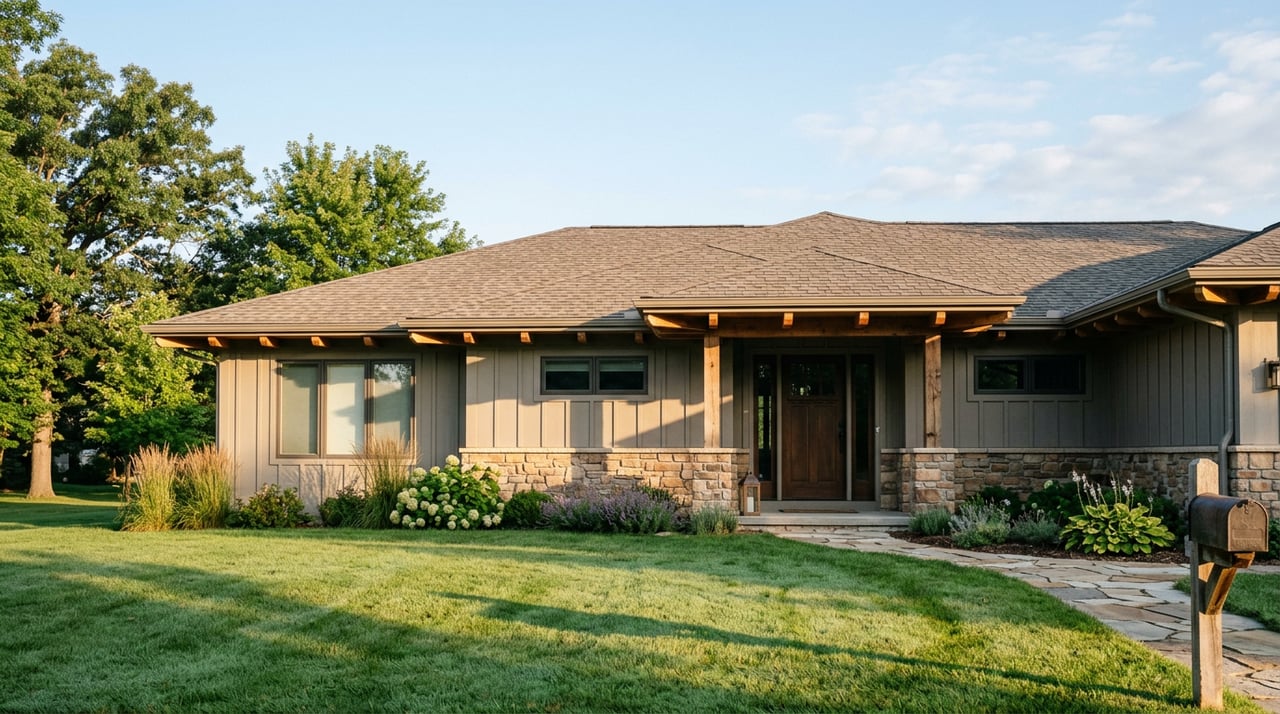
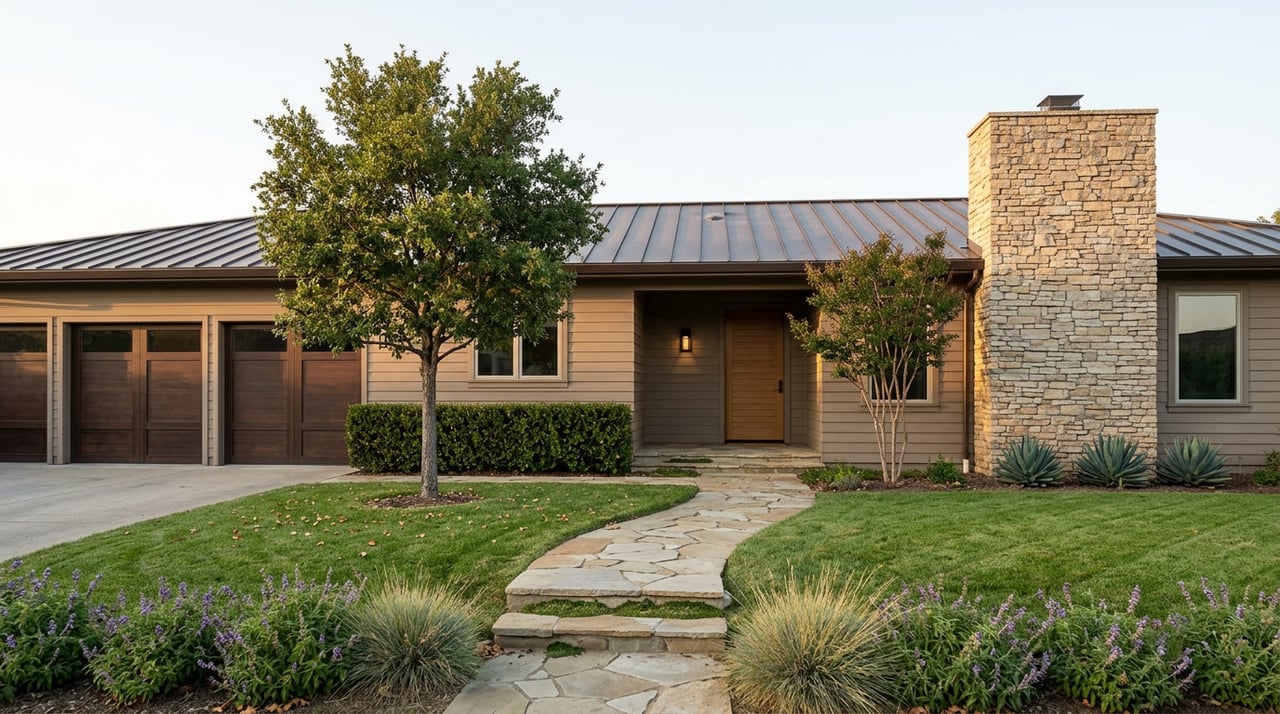
This matters more than it sounds like it should, because Pacific Estates is not a luxury bluff enclave and it is not a downtown condo strip. It is a well-established pocket of Pismo Beach where resale homes run from roughly 1,500 square feet up to more than 6,000, built mostly between 1970 and the late 1990s with newer construction mixed in. A citywide median blends all of that together with oceanfront estates on the Shell Beach bluffs and visitor-oriented condos near the pier. The blend produces a headline number. It does not produce a price for your house.
Same City, Three Different Numbers
Here is what the disagreement actually looks like when you line the sources up side by side.
| Source | Window | What it shows |
|---|---|---|
| CRMLS-sourced local closed-sales data | 30 days ending Aug 6, 2026 | Median closed sale $1,275,000 ($721 per sq ft), homes closing at 94.6% of final list price |
| Redfin | 3 months ending May 2026 | Median sale price $1.4M, up 4.1% year over year, while price per square foot fell to $884, down 7.4% year over year |
| Movoto | As of July 2026 | Price per square foot down 4% year over year, median 85 days on market |
| Zillow | As of June 30, 2026 | Average home value $1,119,737, up 2.5% year over year |
Look closely at that second row and you can see the contradiction living inside a single source. The same Redfin page reporting the median sale price up 4.1 percent over the year also reports price per square foot down 7.4 percent over the same period. That is not two different data providers disagreeing. That is one dataset telling you the typical dollar amount of a closing went up while the typical dollar-per-square-foot went down, which only happens one way: bigger, pricier homes closed more often in that window and pulled the median up in raw dollars even as the going rate per square foot cooled. Layer Movoto and Zillow on top, each measuring a different slice on a different clock, and a 30-day closed figure and a rolling three-month figure land over $100,000 apart for a city with well under a hundred active listings at any given time.
None of this is a data error. Pismo Beach had 3.2 months of housing inventory as of early August 2026, which is a genuinely thin pool to draw any citywide median from. In a market where only a handful of homes close in a given month, a single high-end bluff sale or a single downtown condo closing can swing the median by tens of thousands of dollars and change which direction the headline points. Thin markets produce noisy medians, and noisy medians produce numbers that seem to contradict each other from one report to the next without the underlying neighborhoods actually changing.
What Pacific Estates Actually Is Inside That Blend
None of the numbers above tell you what a Pacific Estates home is worth, because none of them isolate Pacific Estates. The neighborhood's own defining trait is that it holds an unusually wide range of home sizes for a single, established residential area: listings have run from roughly 1,500 square feet up to just over 6,000, all inside the same well-established streets. That range alone should tell a buyer something the citywide median cannot. A 1,600-square-foot single-level home and a 6,000-square-foot custom build sitting three streets apart are not competing for the same price per square foot, and pricing either one off a blended city number will get you the wrong answer twice.
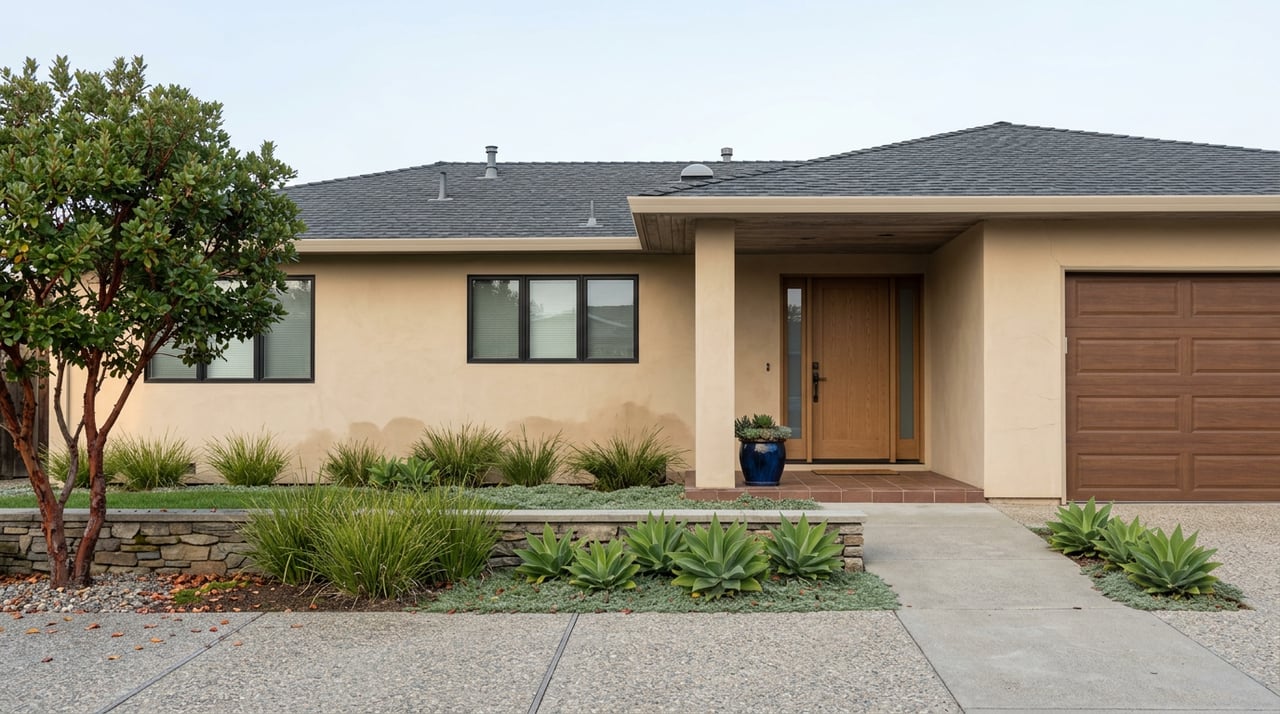
One recent Pacific Estates listing made the point plainly. A single-level, three-bedroom home on Surf Street, updated and sitting on a roughly 6,200-square-foot lot, was marketed as one of the strongest per-square-foot values currently available anywhere in Pismo Beach. That claim only makes sense in context: against a citywide median north of $1.2 million, a well-updated midsize Pacific Estates home can post a materially lower price per square foot than a comparable listing on the Shell Beach bluffs or in a new-construction pocket elsewhere in the city, simply because Pacific Estates was never priced as a view-premium neighborhood to begin with. That gap is the actual opportunity for a buyer who understands it, and it disappears the moment you anchor your offer to the headline median instead of to comps inside the neighborhood.
The Market Is Fast and Slow at the Same Time
There is a second layer to this, and it explains why "balanced market" is the wrong word even when the math technically supports it. As of early August 2026, Pismo Beach's 3.2 months of inventory sits in the range that textbooks call balanced, neither clearly favoring sellers nor buyers. But look at what was happening underneath that number in the same window: 42 percent of recent sales went under contract within a week of listing, while 44 percent of active listings were already carrying a price cut.
That is not a balanced market. That is two markets running at once inside the same statistic. Homes priced correctly for their actual comps, in the right condition, are moving in days. Homes priced off an assumption, often an assumption anchored to a citywide median that was never accurate for that property type or size band, are sitting long enough to need a reduction. The 3.2-month reading is the average of a market that is genuinely fast for well-priced listings and genuinely slow for mispriced ones. For a Pacific Estates buyer, this cuts both ways: it means well-priced homes in your size range and condition can disappear quickly, and it means a stale listing sitting with a price cut is often a pricing problem rather than a property problem, worth a closer look rather than a pass.
How to Actually Price a Pacific Estates Home Right Now
Given all of that, here is the framework that actually holds up, in order:
- Start with closed sales inside Pacific Estates specifically, in the same size band as the home you are evaluating. A 6,000-square-foot custom build and a 1,600-square-foot single-level resale are not comps for each other even if they share a zip code.
- Weigh the list-to-sale ratio over the headline median. A neighborhood where homes are closing at roughly 95 percent of final list price is telling you sellers are pricing close to what buyers will pay, which is a more stable signal than a rolling median that can jump on one high-end closing.
- Treat a price cut as information, not a red flag. In a market where nearly half of active listings carry a reduction, a cut often means the seller anchored to the wrong comp set the first time, not that something is wrong with the home.
- Ask how long the specific listing has been on market relative to the neighborhood norm, not the citywide average. A home sitting well past the point where similar Pacific Estates properties have gone under contract is a home worth a closer conversation on price.
- Confirm the inventory picture at the moment you are ready to write an offer. With inventory this thin, the count of active listings and pending sales can shift meaningfully in a matter of weeks.
A Few Direct Questions
Why do different websites show different median prices for the same city and roughly the same month? They are usually measuring different windows, some rolling three months and some a tighter 30-day snapshot, and pulling from a thin overall pool of closed sales where a single high-value transaction can move the median noticeably. Neither number is fabricated. Neither is complete on its own.
Does 3.2 months of inventory mean it favors buyers or sellers in Pacific Estates? Citywide, that reading sits in balanced territory. Inside Pacific Estates, the more useful read is the split between homes moving under contract within a week and the large share of listings carrying a price cut. That split tells you more about how to price a specific home than the aggregate inventory number does.
Is Pacific Estates a good value compared to other Pismo Beach neighborhoods right now? Recent listing activity suggests midsize, well-updated Pacific Estates homes can post a meaningfully lower price per square foot than comparable homes on view-premium blocks elsewhere in the city, since the neighborhood was never priced as a view enclave to begin with. Whether that holds for a specific property depends on its size, condition, and lot, which is exactly why a citywide median is the wrong tool for the comparison.
Pricing a home in a market this thin is less about finding the right number and more about knowing which number to ignore. If you are weighing a purchase or a sale in Pacific Estates and want a comp set that actually reflects the neighborhood rather than the city average, Freedom One Realty can walk through the current inventory with you street by street. Schedule a free consultation.