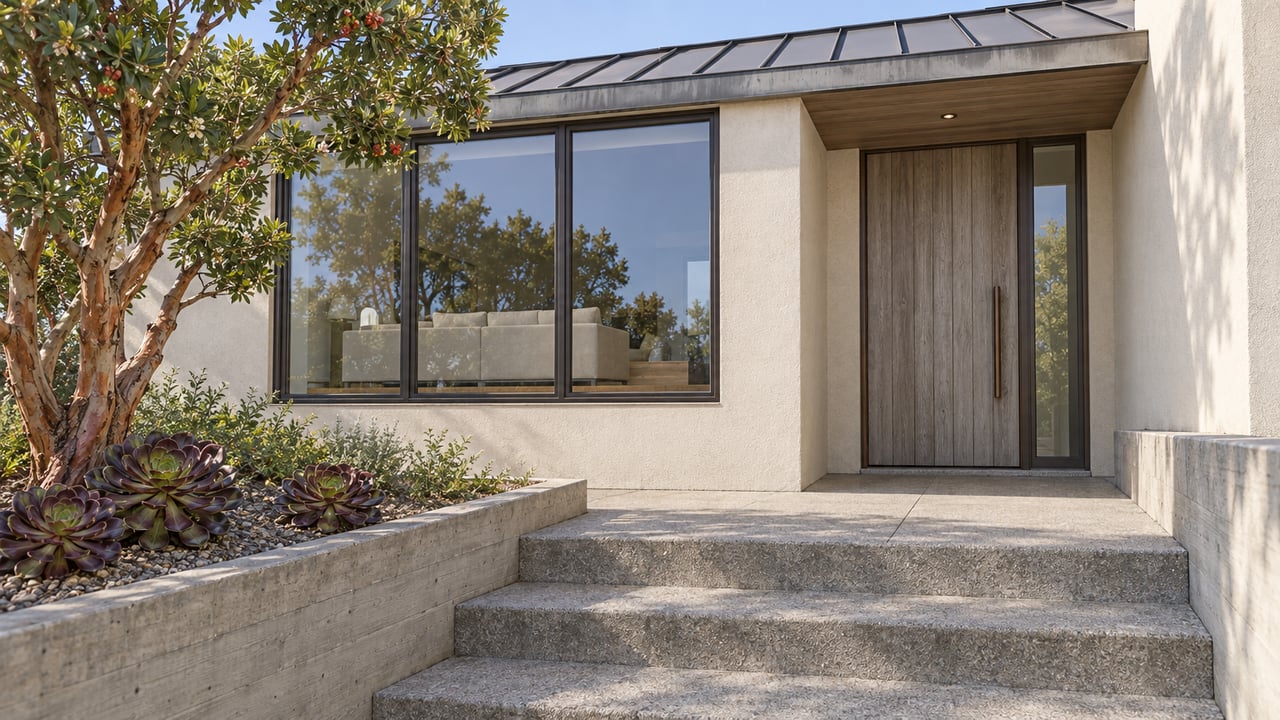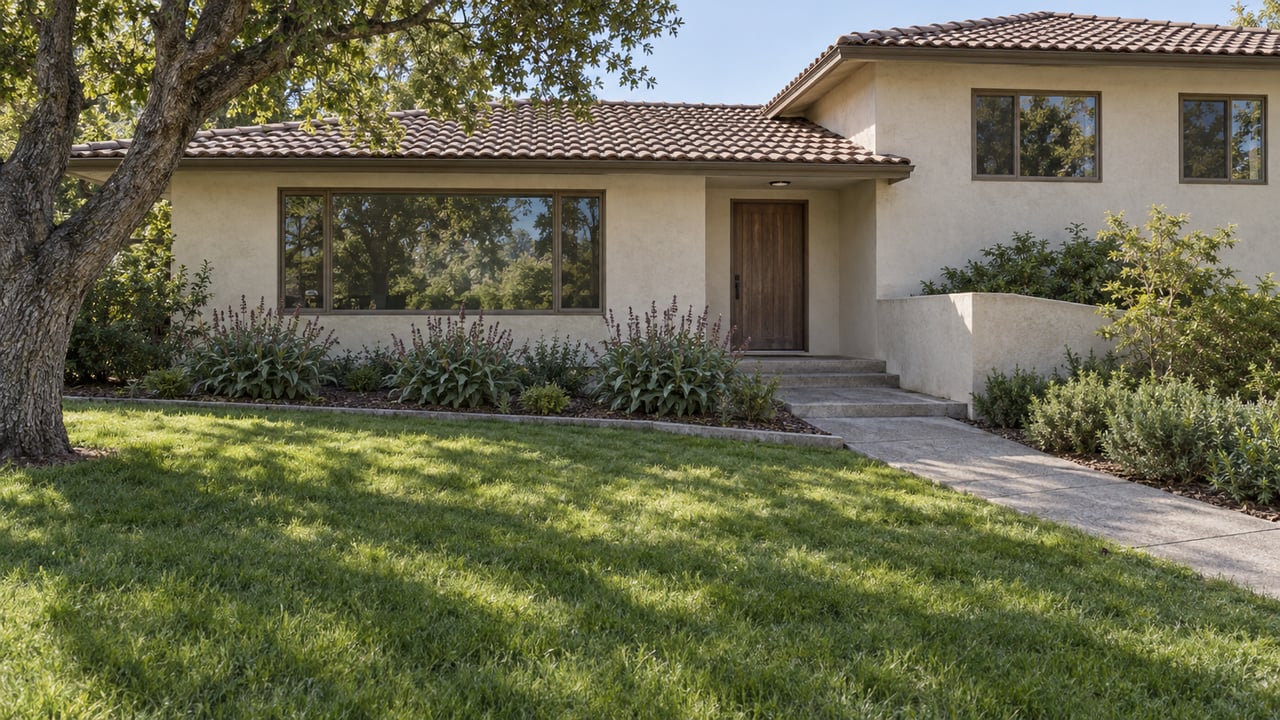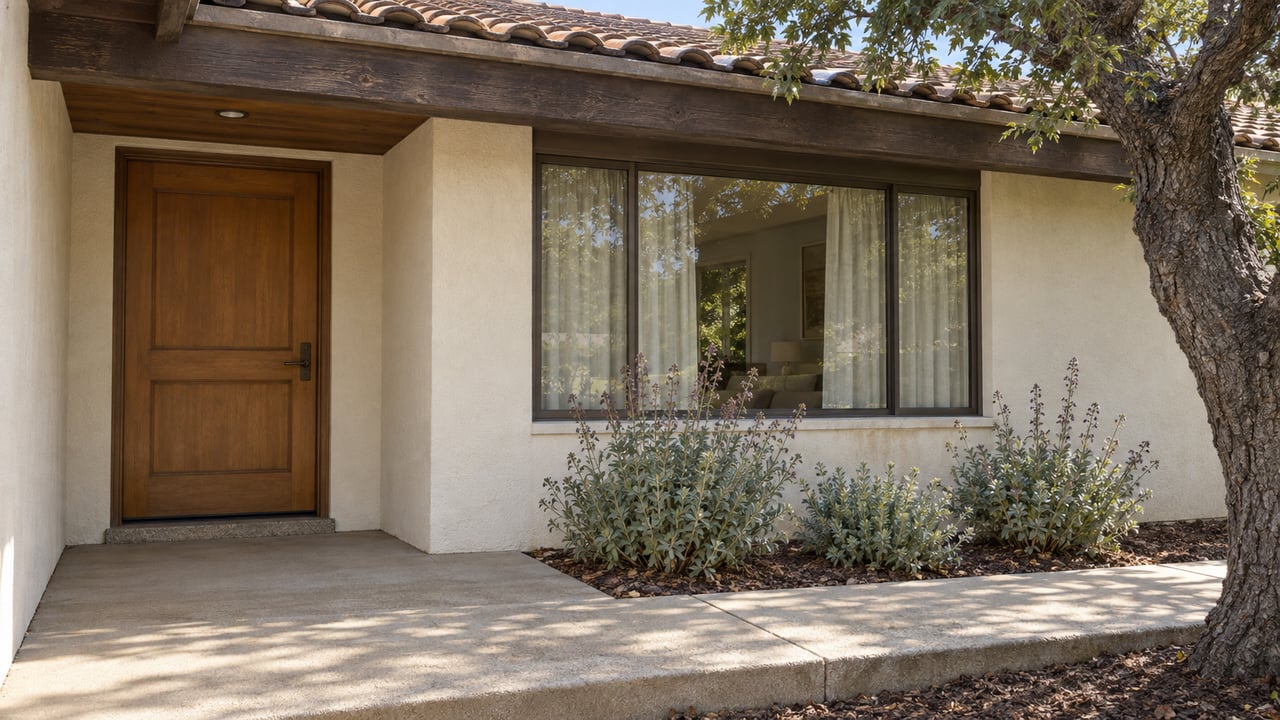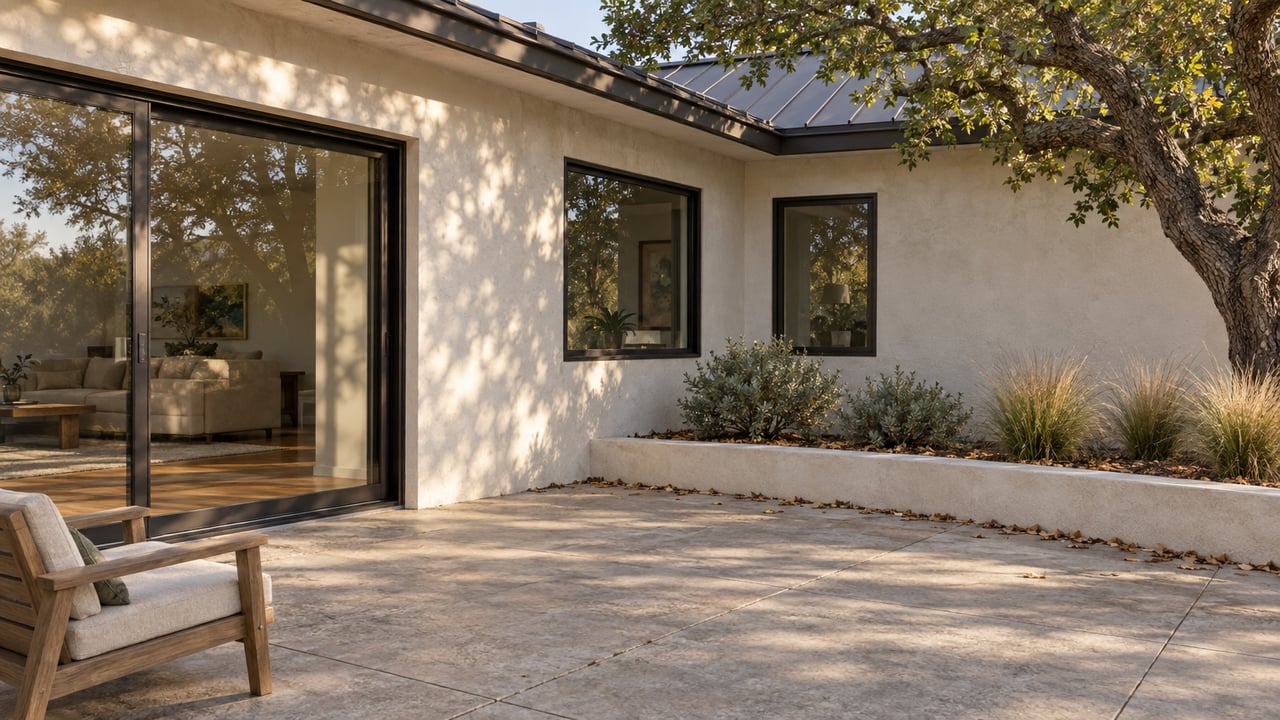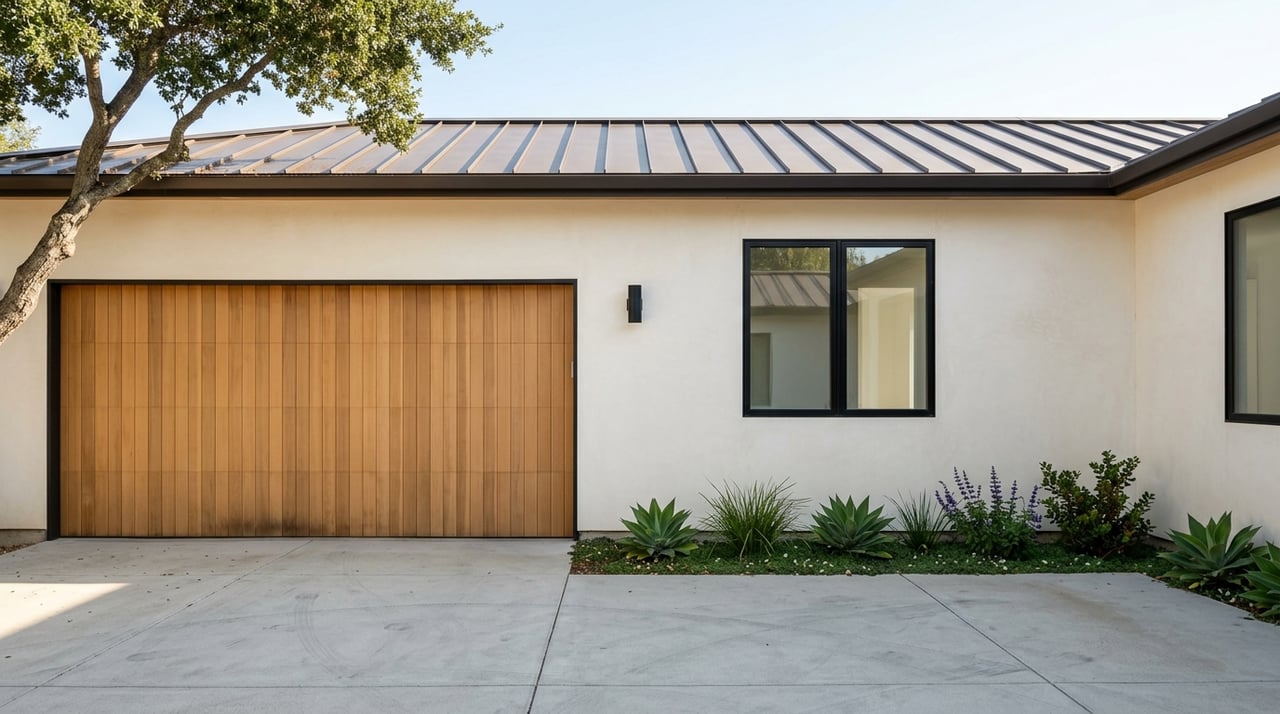
If you are selling in Rancho Vista Grande, your sale price is only part of the story. What you actually keep can change based on pricing, prep, timing, taxes, and the details buried in your closing statement. The good news is that with a proceeds-first plan, you can make smarter decisions before your home hits the market. Let’s dive in.
Focus on net, not just price
Many sellers fixate on the highest possible list price, but net proceeds are what matter most. Your net is what remains after closing costs, taxes, negotiated credits, and service fees are paid.
In Rancho Vista Grande, that number can vary more than you might expect. Homes in the broader Rancho San Diego and El Cajon 92019 area can differ widely by lot size, condition, square footage, amenities, and upgrades, with current examples ranging from large estate-style homes on roughly half-acre to one-acre lots. That is why pricing from very local, property-specific comparables matters more than relying on broad countywide averages alone, even though Zillow’s Rancho San Diego market data provides useful context.
Price from local comps
A strong pricing strategy protects your equity from the start. In a market where buyers are still active but more price-sensitive, overpricing can lead to longer market time, price reductions, and weaker negotiating leverage.
Broader San Diego data show a median sale-to-list ratio of 0.993 and a median of 21 days to pending, which suggests homes are still moving, but not at any price. Zillow’s San Diego market data points to a market where pricing precision matters.
Why Rancho Vista Grande pricing is different
Rancho Vista Grande properties are not cookie-cutter. A home with a pool, detached ADU, larger usable lot, or higher-end updates may compete in a very different range than a nearby property with similar square footage but less land or deferred maintenance.
That means your pricing strategy should start with immediate neighborhood and Rancho San Diego comps, then adjust for condition, layout, lot utility, and improvements. Broad averages are helpful for context, but they are not enough to set a smart list price for a high-equity property.
Know the costs that reduce proceeds
Before you choose a target price, it helps to understand which expenses can shrink your final number. Some are expected, while others catch sellers off guard.
Common seller costs may include:
- Listing-related fees
- Buyer credits or repair concessions
- Documentary transfer tax
- Recording-related fees
- Property tax proration
- Possible special assessments or Mello-Roos charges
- Potential capital gains exposure above applicable exclusions
San Diego County transfer tax and recording fees
In San Diego County, documentary transfer tax is $0.55 per $500 of sale price. The County Recorder fee schedule also shows a $14 first-page recording fee plus a $75 SB2 fee on recorded real estate instruments.
These line items may not be the biggest part of your closing costs, but they still affect your net. On a higher-value Rancho Vista Grande sale, even standard transfer tax becomes a meaningful number, so it should be included in your planning early.
Property taxes and special assessments
Your closing statement may also reflect prorated property taxes. In San Diego County, property taxes are based on a 1% base tax plus voter-approved bonded debt rates, and some parcels may also carry fixed-charge assessments or CFD/Mello-Roos.
Because those charges can change your net, it is smart to review the county tax bill and parcel-specific assessment information before listing. The county’s recording and fee resources are part of that picture, and property tax proration is typically addressed in the contract.
Capital gains planning matters
For some sellers, taxes after closing matter just as much as costs at closing. The IRS and California Franchise Tax Board allow a principal residence gain exclusion of up to $250,000 for single filers or $500,000 for qualifying married or registered domestic partners when the ownership and use tests are met.
If your gain exceeds those thresholds, or if there are trust, estate, or depreciation issues, your tax outcome may be different. The California Franchise Tax Board guidance on the sale of your home is a good starting point, but a tax professional should help you verify how the rules apply to your situation.
Spend where buyers notice it
If your goal is to maximize net proceeds, not every pre-listing project deserves your money. In most cases, the best return comes from visible improvements that help buyers feel confident and make the home easier to picture as their own.
According to the National Association of Realtors 2025 staging survey, 83% of buyers’ agents said staging makes it easier for buyers to visualize a property as a future home. The most common seller prep recommendations were decluttering, whole-home cleaning, and curb appeal improvements.
Best first moves before listing
For a Rancho Vista Grande property, start with the areas that shape first impressions and online appeal:
- Declutter throughout the home
- Deep clean all major living areas
- Refresh the front approach and landscaping
- Address visible deferred maintenance
- Touch up or repaint where needed
- Focus presentation on the living room, primary bedroom, dining area, and kitchen
That approach lines up with national staging and remodeling data, and it makes practical sense for larger-lot estate-style homes where exterior presentation can heavily influence buyer perception.
Which updates may deserve attention
The 2025 NAR Remodeling Impact Report suggests that highly visible, buyer-facing projects often have the strongest resale appeal. REALTORS® most often recommended painting, roof replacement, and kitchen or bathroom updates before selling.
You do not always need a major renovation. In many cases, a cleaner, sharper, better-maintained presentation can protect value without over-improving for the market.
Time the launch carefully
Many sellers ask whether they should wait for spring. The better question is whether your home is ready to launch cleanly into the market when local timing is strongest.
Nationally, Realtor.com’s 2026 best week to sell is April 12 through 18. But local timing matters more, and Zillow’s metro analysis places San Diego’s strongest listing window in the last two weeks of March, with an estimated 2.1% premium on a typical home.
Ready now or wait?
If your home needs meaningful prep, waiting for a cleaner launch can make sense. If it is already in strong condition, priced correctly, and professionally presented, listing sooner may be better than missing a favorable local window.
The key is not chasing a calendar date. It is choosing the moment when your home can enter the market with the best possible photos, condition, and pricing support.
Negotiate for total net proceeds
A smart sale strategy does not stop at pricing and timing. Negotiation also shapes what you keep.
That includes buyer requests for repairs, credits, timelines, and other contract terms that can either protect or erode your equity. In a more price-sensitive market, sellers often benefit from evaluating every concession against the bigger net-proceeds picture rather than reacting to one headline number.
Compare service models by net
Broker compensation is negotiable, not fixed by law. As the National Association of Realtors explains, sellers should evaluate compensation, concessions, and service scope together.
For a higher-equity home, a lower-fee listing structure can make sense when the marketing, pricing, negotiation, and transaction management still support your target outcome. The right comparison is not fee versus fee. It is expected net proceeds after all costs, credits, and time on market are considered.
A simple Rancho Vista Grande framework
If you want to maximize what you keep, this is a practical place to start:
- Price from immediate Rancho Vista Grande and Rancho San Diego comps.
- Review your tax bill, transfer tax, and any parcel-specific assessments.
- Spend first on decluttering, cleaning, curb appeal, and targeted repairs.
- Choose a launch window based on local seasonality and actual readiness.
- Compare listing options by total expected net, not commission alone.
Selling well is rarely about one big move. It is usually the result of several disciplined decisions that work together.
If you want a more strategic plan for protecting your equity, Freedom One Realty offers a consultation-focused approach designed to help sellers think clearly about pricing, presentation, timing, and net proceeds. Schedule a free consultation.
FAQs
What expenses usually reduce seller net proceeds in Rancho Vista Grande?
- Common costs can include listing-related fees, buyer credits, documentary transfer tax, recording fees, prorated property taxes, possible special assessments, and potential taxes on gains above applicable exclusion limits.
Which small improvements help a Rancho Vista Grande home show better?
- Decluttering, deep cleaning, curb appeal work, paint touch-ups, and targeted repairs usually make the biggest difference, especially in main living spaces and the front exterior.
Should you wait until spring to sell a Rancho Vista Grande home?
- Not always. Local data suggest late March can be a strong listing window in San Diego, but the best time is when your home is fully ready for a clean, well-presented launch.
How do property taxes and special assessments affect a Rancho Vista Grande sale?
- They can appear as prorations or fixed charges on the closing statement, which means they directly affect your final net proceeds.
When does a lower-fee listing structure make sense for a Rancho Vista Grande seller?
- It can make sense when the service, marketing, and negotiation support remain strong enough to protect price and terms, so your total net ends up higher after all costs are considered.