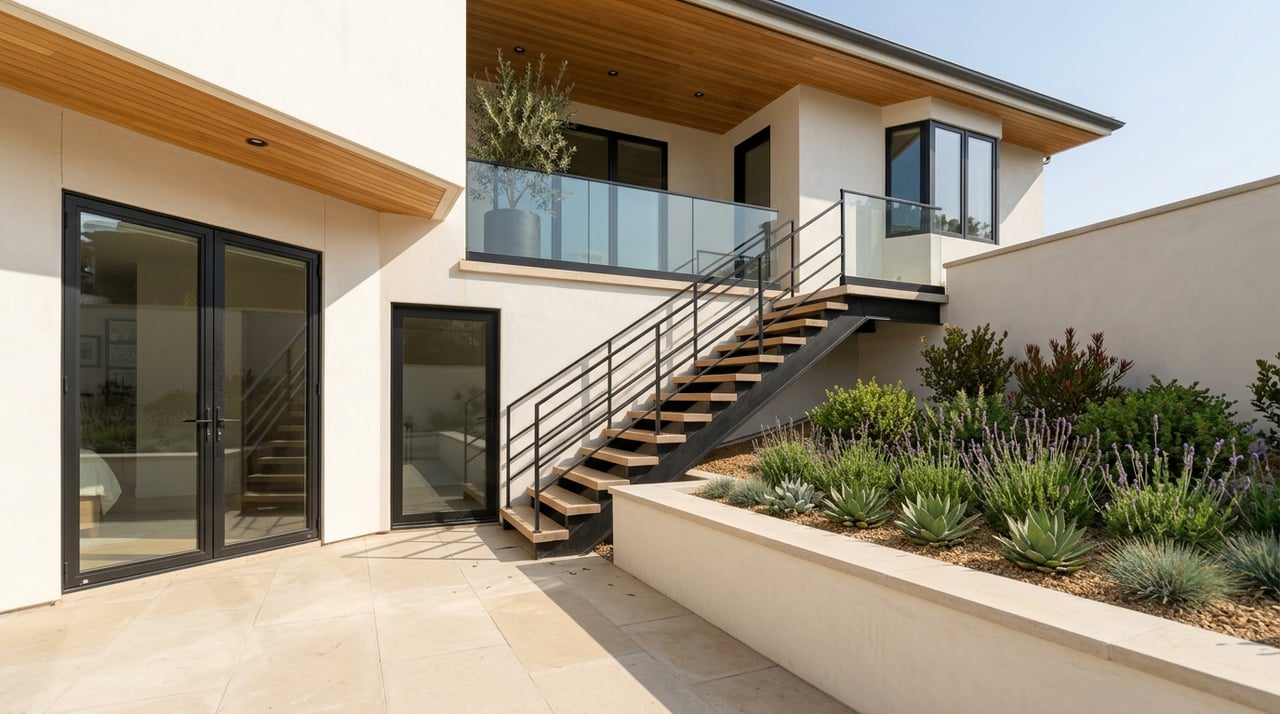
Choosing a home in Pacific Estates or nearby Pismo Heights is not just about square footage or bedroom count. In this part of Pismo Beach, slope, sun, wind, views, and access can shape your day-to-day life just as much as the floor plan. If you want to choose the right home style with more confidence, it helps to know what these neighborhoods actually offer and what tradeoffs come with each option. Let’s dive in.
Understand the Neighborhood Setting
Pacific Estates and Pismo Heights may sound similar in a home search, but they function differently on the ground. Pacific Estates sits within Oak Park Heights in the northeast part of Pismo Beach and is described in the local wildfire planning report as exclusively single-family residential. Pismo Heights is a separate planning area that the city describes as mostly low-density residential, with some medium-density housing in the south and higher-density housing along Highway 101.
That distinction matters because the housing stock, lot layout, and ownership experience can feel different from one area to the other. The city also notes that Pismo Heights is almost completely built out and is known for dramatic views, along with nearby civic uses, open space, and utility or industrial edges that can influence livability. If you are comparing home styles here, it helps to think beyond curb appeal and focus on how the site actually works.
Compare Pacific Estates and Pismo Heights
Pacific Estates leans single-family and varied
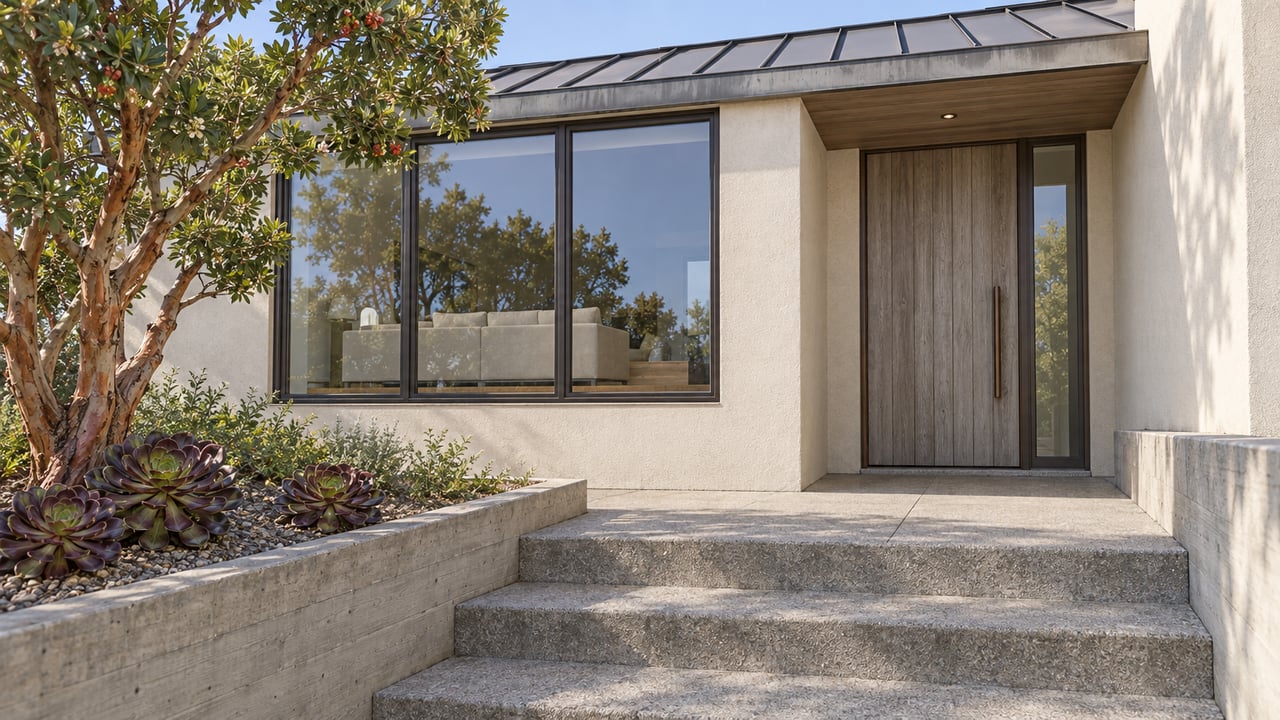
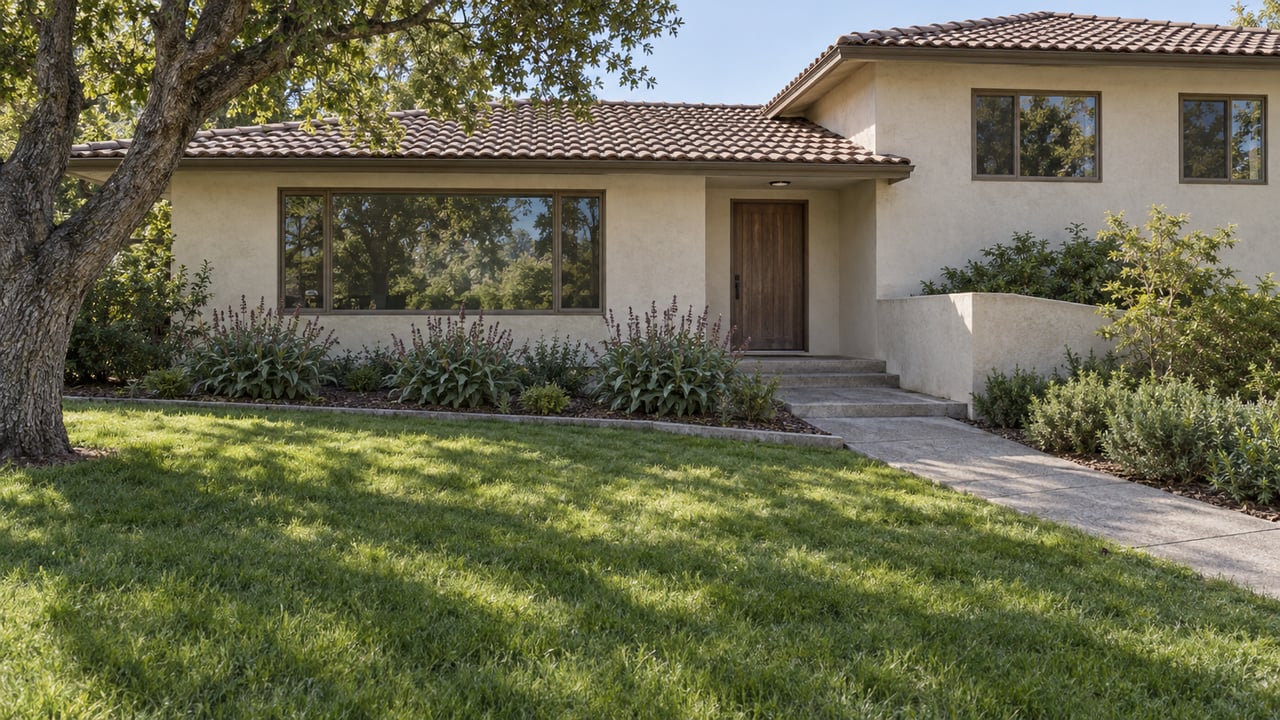
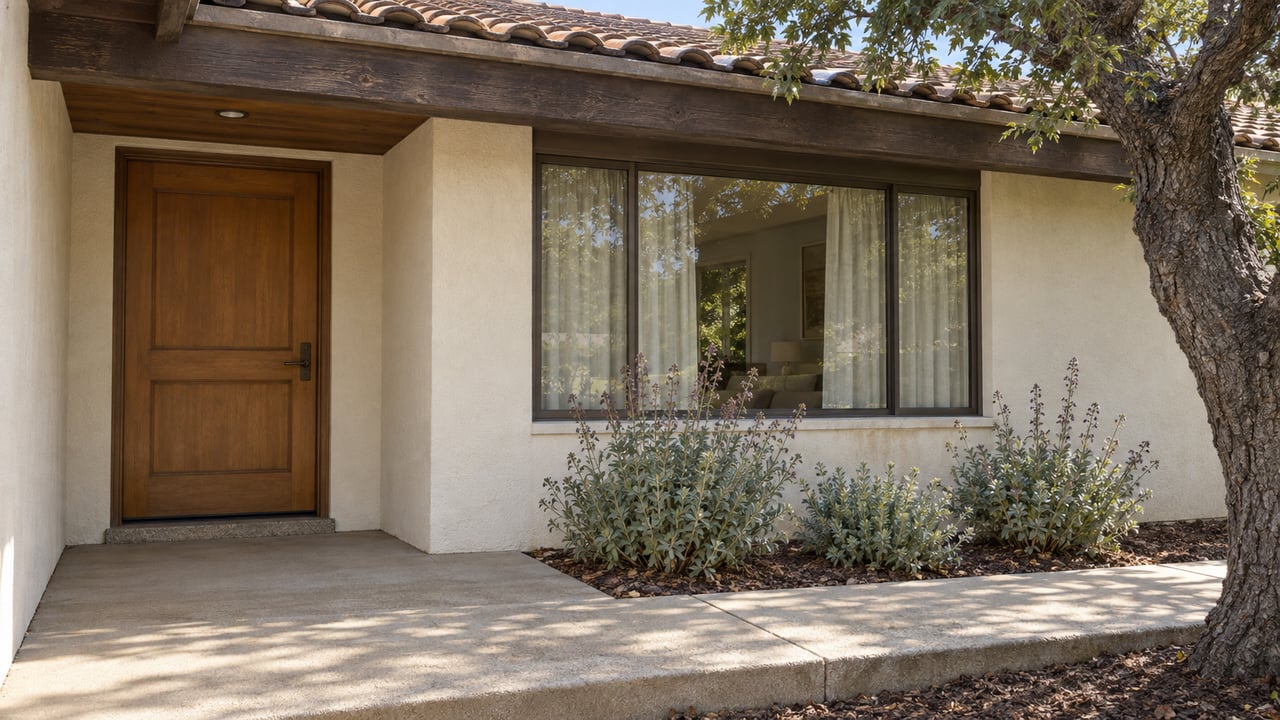
Pacific Estates is known for detached homes, and the local wildfire report describes the area as exclusively single-family residential. Many homes have Spanish-influenced design features like stucco siding and clay tile roofs, while newer construction in the northwest section tends to look more modern. That gives buyers a mix of traditional coastal style and updated design, often within the same neighborhood search.
In practice, buyers here often compare lifestyle features more than room counts. Local listing patterns show interest in things like large corner lots, courtyards, side decks, RV garages, landscaped yards, and peek ocean views. If you are choosing between homes in Pacific Estates, the real decision may come down to privacy, parking, outdoor use, and outlook.
Pismo Heights often means older homes and steeper tradeoffs
Pismo Heights offers a different kind of inventory. The local wildfire report says many homes there were built in the 1920s and may still include wood siding, raised wooden patios or porches, single-pane windows, and large exposed vents. Those features can add charm, but they may also create more maintenance needs and make fire-hardening upgrades more important.
The setting also creates a different ownership experience. Pismo Heights includes steep slopes and limited access in some uphill areas, and the wildfire report identifies the neighborhood as high risk. For some buyers, that may be worth it for the views and character. For others, a more straightforward lot and newer exterior materials may be the better fit.
Start With the Right Decision Framework
When buyers compare home styles in this area, a simple framework can help. Based on the local planning and wildfire context, it makes sense to evaluate homes in this order:
- View premium
- Privacy
- Usable outdoor space
- Staircase burden
- Parking and garage fit
- Wildfire exposure
- Access and evacuation
This order keeps you focused on how the home will live over time. A beautiful house can still feel like the wrong choice if the deck is hard to use, the garage does not fit your needs, or the uphill access becomes a daily frustration.
Views Are Valuable, but They Are Not Everything
Elevation and orientation shape the view
In Pismo Heights and Pacific Estates, a view is usually tied to elevation, orientation, or both. A higher position may open up broader outlooks, but it can also bring more wind exposure and more complicated access. A lower home with the right orientation may still capture excellent light or a partial ocean view without the same level of slope-related tradeoff.
If you are paying a premium for a view, look closely at what is creating it. Is it mostly the home’s elevation, the way it faces, or both? That answer can help you understand whether you are buying a dramatic outlook, better natural light, or a combination of the two.
Test the home in real conditions
Local climate can change how a home feels from morning to evening. Pismo Beach has a Mediterranean pattern with most rainfall from November through April, a dry season from May through September, and common fog and marine-layer influence during summer. The same deck or living room can feel bright and open at one hour, then cool and shaded later in the day.
That is why it is smart to visit at different times and in different weather conditions. You will get a clearer sense of how the home handles sun, breeze, and coastal stratus before you commit.
Prioritize Truly Usable Outdoor Space
Gross lot size is not the same as usable space
A larger lot does not always mean better day-to-day function. In Pismo Heights, the city’s development worksheets spell out rules for garage setbacks, front-yard depths, and how decks or balconies can project into setbacks. That means the outdoor area you can actually use depends heavily on how the structure sits on the lot.
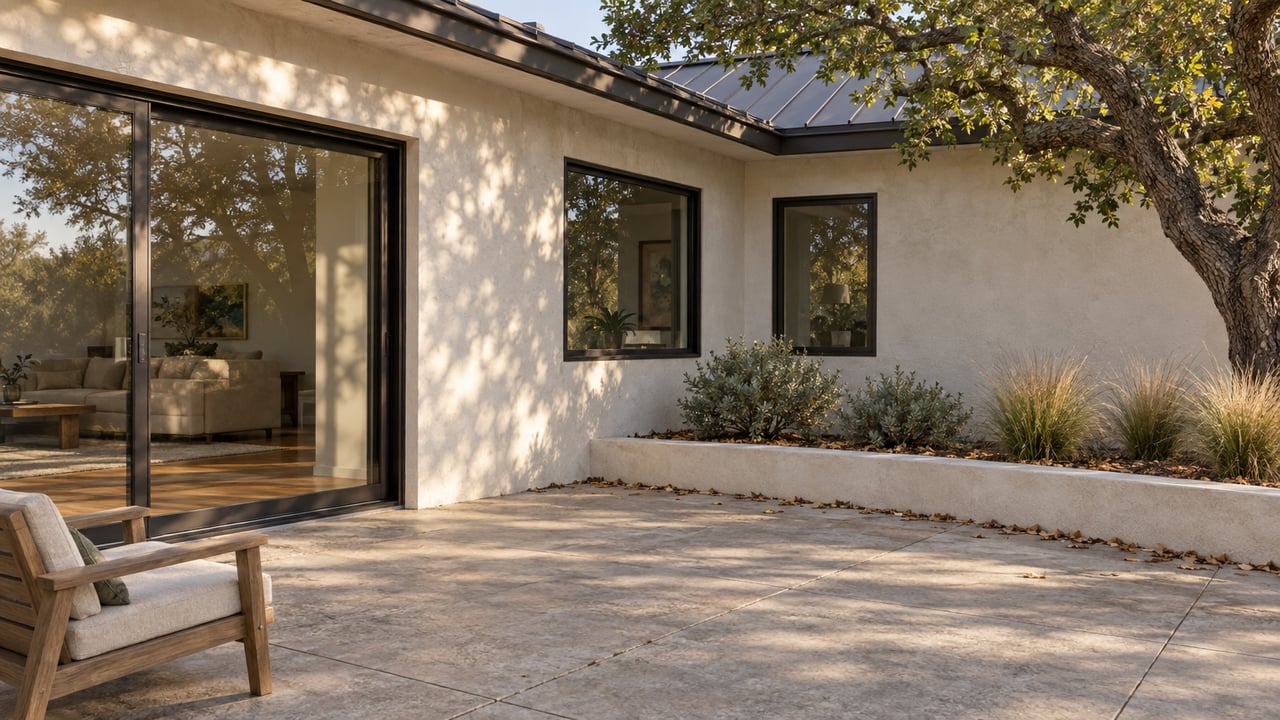
This is especially important if outdoor living is high on your list. A home with a well-placed courtyard, deck, or side yard may feel more livable than a larger lot with awkward grade changes or limited flat space. The layout matters just as much as the dimensions on paper.
Ask how the outdoor space fits your routine
Try to picture how you would really use the exterior spaces. A broad deck with exposure to wind or fog may look impressive but see less use than a sheltered patio with better sun. A yard may appear generous, but steep contours can reduce its practical value.
If you enjoy entertaining, gardening, or simply sitting outside, this is a key part of selecting the right home style. Focus on function, comfort, and access rather than just square footage.
Think Carefully About Stairs and Split Levels
Multi-level living changes daily comfort
On sloped streets, stairs often become part of the package. A split-level or elevated design can help a home capture views or fit a hillside lot, but it also changes how you move through the property every day. Carrying groceries, managing guests, or simply going from garage to kitchen may be easier in one layout than another.
Single-level homes can be especially appealing in this market because they simplify daily use while still offering outdoor features like courtyards, side decks, or larger lots. If convenience is a top priority, do not underestimate the value of a straightforward floor plan.
Garage and parking fit matter more here
Parking is another practical filter. Some homes may offer oversized garages, side-yard storage, or room for specialty vehicles, while others may feel more constrained by slope or lot shape. In a neighborhood where topography affects design, the garage and driveway deserve close attention.
Think about your actual needs, not just whether a home has enclosed parking. If you need extra storage, wider maneuvering space, or room for recreational equipment, make sure the property supports that comfortably.
Fire Risk Should Be Part of Home Style Selection
Coastal location does not mean low fire risk
One of the biggest mistakes buyers can make is assuming the coastal setting means wildfire is a minor issue. The local wildfire planning report says Pacific Estates is in a Very High Fire Hazard Severity Zone, and it identifies Pismo Heights as a high-risk neighborhood with steep slopes, heavy fuels, and limited evacuation capacity in some upslope areas. In both places, topography plays a major role.
Steep slopes can accelerate fire spread, and higher-elevation hillsides may have lower fuel moisture. The report also notes that wildfire can reach Pismo Heights quickly from nearby ignition points under adverse conditions. That makes lot position and construction details especially important.
Look for materials and upgrade potential
Many Pacific Estates homes already use relatively fire-resistant materials, according to the wildfire report. Still, some older or more traditional homes may include more ignition-prone features. In Pismo Heights, older homes may have wood siding, exposed vents, raised wood porches, and older windows that deserve closer review.
As you compare home styles, pay attention to:
- Siding and roof materials
- Vent screening
- Window condition
- Deck and porch construction
- Defensible space around the home
- Vegetation near the structure
A home’s style should support your comfort level with maintenance and future upgrades. In this area, that is not a small detail. It is a major ownership factor.
Access and Evacuation Deserve a Close Look
Uphill lots can carry added complexity
Access is not just about convenience. It is also a safety and planning issue. The wildfire report notes that Pismo Heights has a designated emergency escape route from the top of Longview Avenue through Pismo Preserve to Price Canyon Road, which shows how seriously access is treated in the neighborhood.
If you are considering an uphill or ridgetop property, take time to understand ingress and egress. A home with beautiful elevation may also come with tighter roads, steeper driveways, or more limited evacuation options than a lower and easier-to-reach property.
Parcel-level review is essential
The city’s development standards also separate Pismo Heights into inside-coastal-zone and outside-coastal-zone worksheets. That means rules can differ even within the same neighborhood name. For buyers, parcel-by-parcel verification matters as much as the address itself.
This is one reason local guidance matters so much in a hillside coastal market. Two homes on nearby streets can look similar online and function very differently once you review the lot, zoning context, setbacks, and access details.
Questions to Ask Before You Decide
As you narrow your options, keep these questions in front of you:
- Is the parcel inside or outside the coastal zone?
- How much sun does the home get at different times of day?
- Is the view driven by elevation, orientation, or both?
- How much of the outdoor area is truly usable?
- Does the home have older features that may need fire-hardening upgrades?
- How easy is everyday access to the garage, entry, and main living areas?
- How is ingress and egress handled for the lot?
The right home style in Pacific Estates or Pismo Heights is usually the one that matches your comfort level with slope, wind, sun exposure, maintenance, and access. A polished finish or dramatic deck can be appealing, but the better long-term fit often comes from lot geometry and floor plan working together.
If you want help comparing homes in Pismo Beach with a clear eye on livability, long-term ownership, and neighborhood fit, schedule a free consultation with Freedom One Realty.
FAQs
What home style is most common in Pacific Estates Pismo?
- Pacific Estates is described in the local wildfire planning report as exclusively single-family residential, with many Spanish-influenced homes and some newer modern-looking construction in the northwest portion.
What should buyers compare besides square footage in Pismo Heights?
- In Pismo Heights, it is smart to compare view value, privacy, usable outdoor space, stairs, parking, wildfire exposure, and access or evacuation, since these factors often shape daily livability more than room count.
Why does orientation matter for homes in Pismo Beach?
- Orientation affects sunlight, comfort, and how a home feels through fog, marine layer, and seasonal weather patterns, so a house can live very differently depending on when and where it gets sun.
Are older Pismo Heights homes likely to need upgrades?
- Many homes in Pismo Heights were built in the 1920s and may still have features like wood siding, single-pane windows, raised wood porches, or exposed vents, which can make maintenance and fire-hardening reviews especially important.
How do outdoor space rules affect home choice in Pismo Heights?
- The city regulates setbacks, garage placement, and certain deck or balcony encroachments, so the amount of truly usable outdoor area depends on the lot layout and how the home is positioned, not just lot size.
Is wildfire risk an important factor in Pacific Estates and Pismo Heights?
- Yes. The local wildfire planning report identifies Pacific Estates as a Very High Fire Hazard Severity Zone and Pismo Heights as a high-risk neighborhood, so buyers should review materials, defensible space, and access before purchasing.